

Industrial Market
PROFESSIONAL
INDUSTRIAL SOLUTIONS
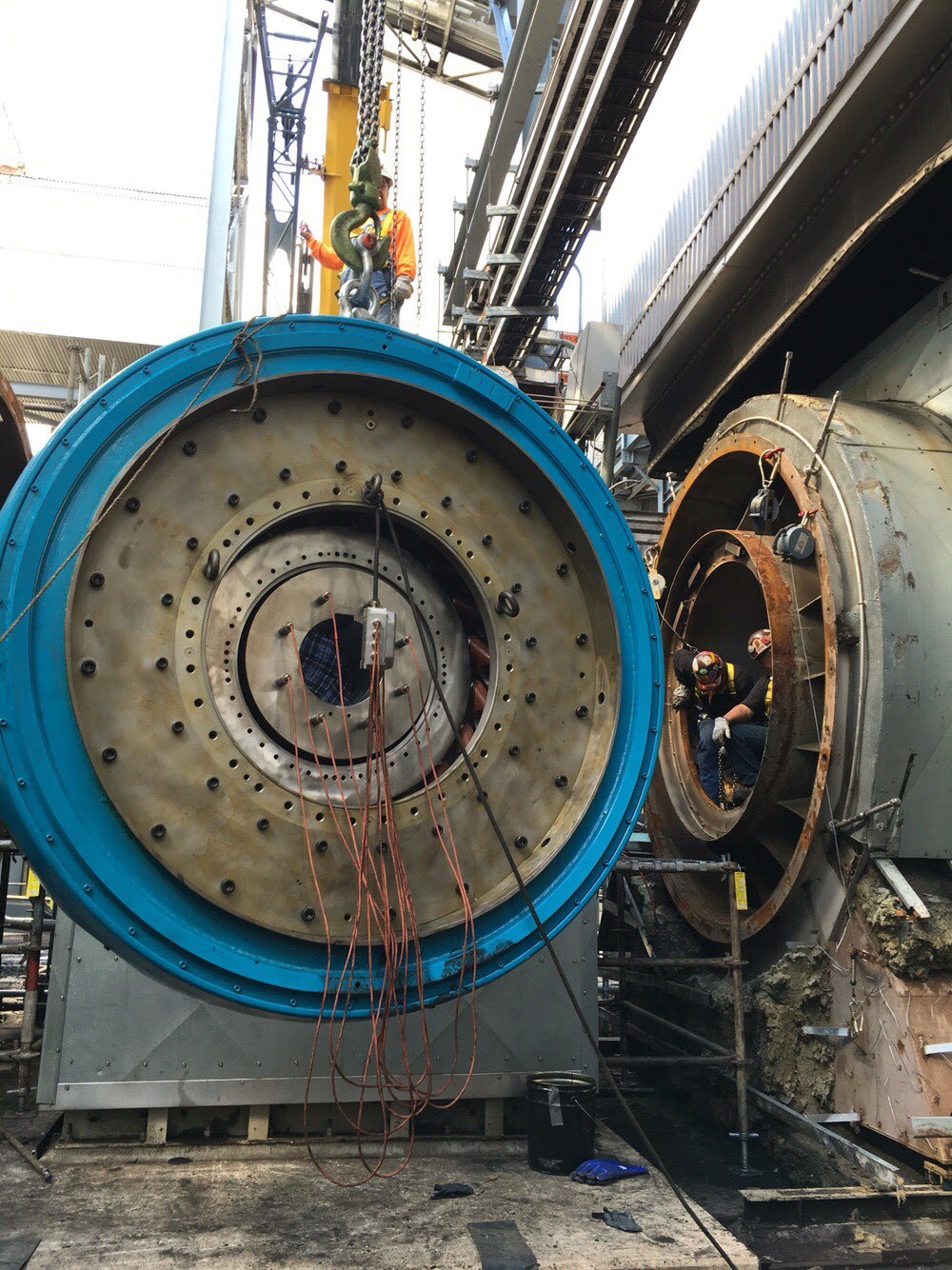
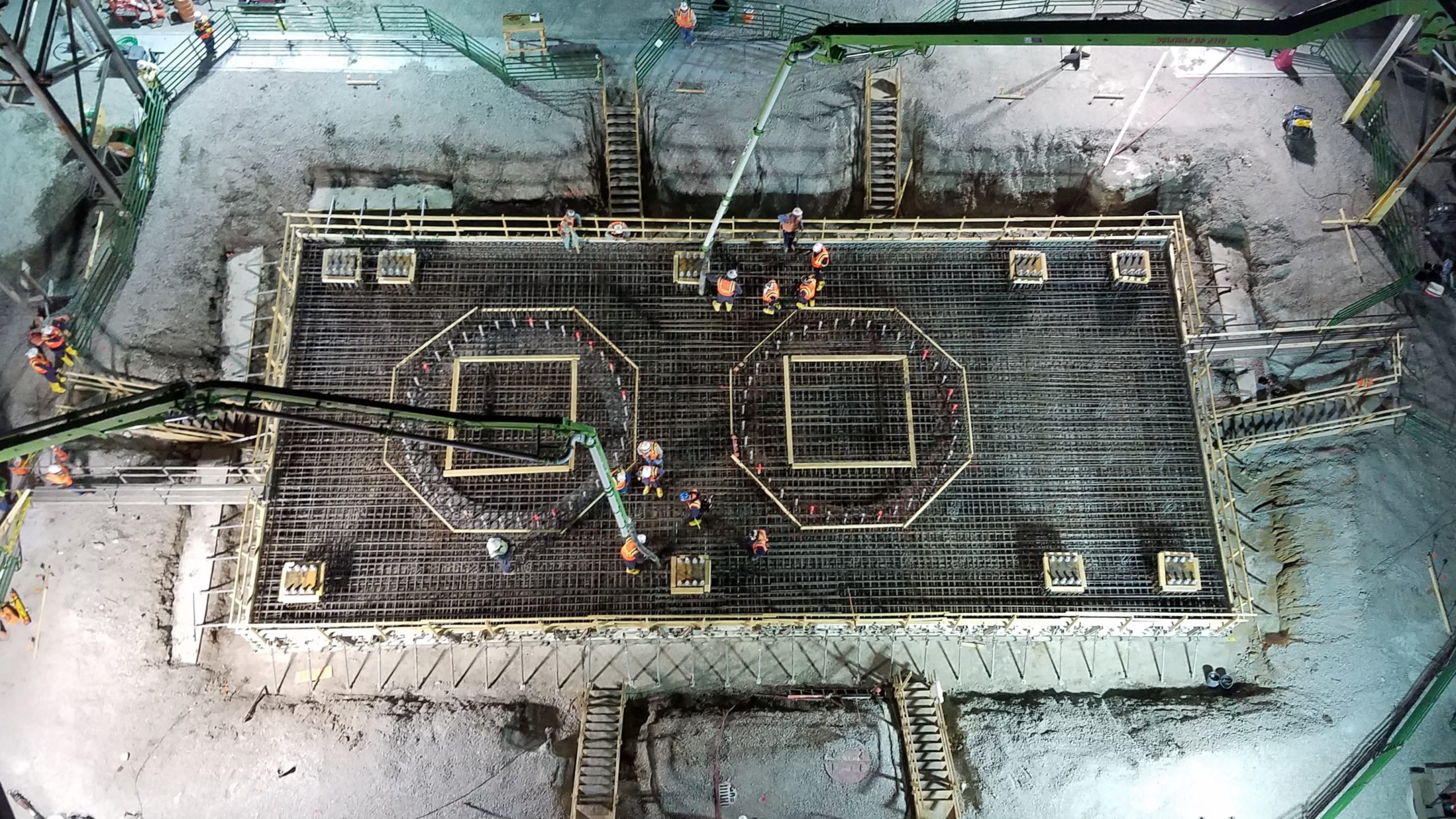
Helmkamp Construction meets the demanding specifications for industrial projects of any size. This highly specialized work takes extreme training, skill, and reliability among our project managers, superintendents, and field crews. The benefit of our experience built over time shows in Helmkamp’s refined construction processes and strict adherence to safety guidelines.
INDUSTRIAL INDUSTRIES
WE SERVE
- Chemical
- Food & Beverage
- Industrial Process
- Logistics
- Manufacturing
- Metals
- Petro Chemical
- Power
- Utilities
OUR INDUSTRIAL
CONSTRUCTION EXPERT
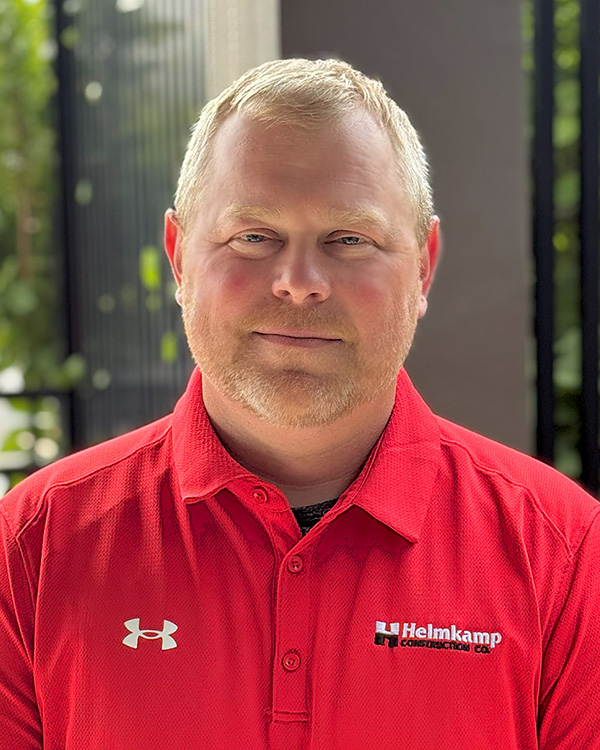
Ryan Clay
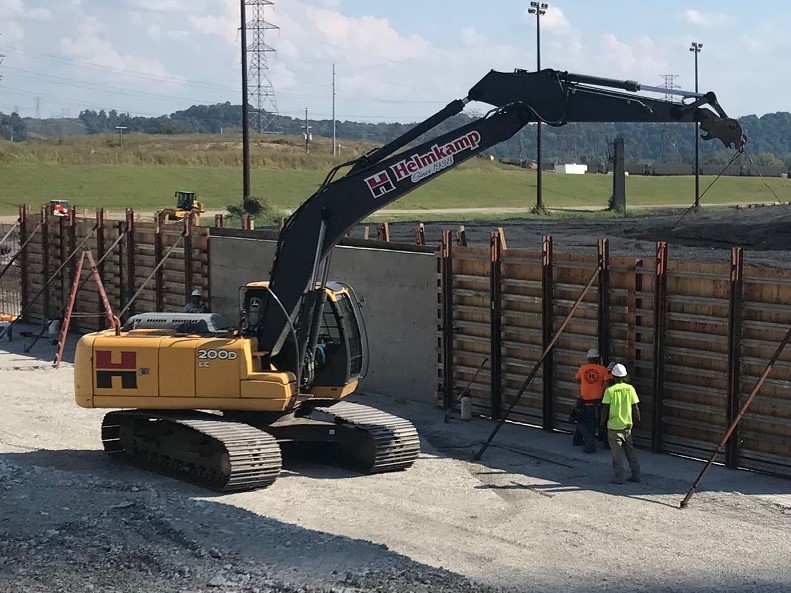
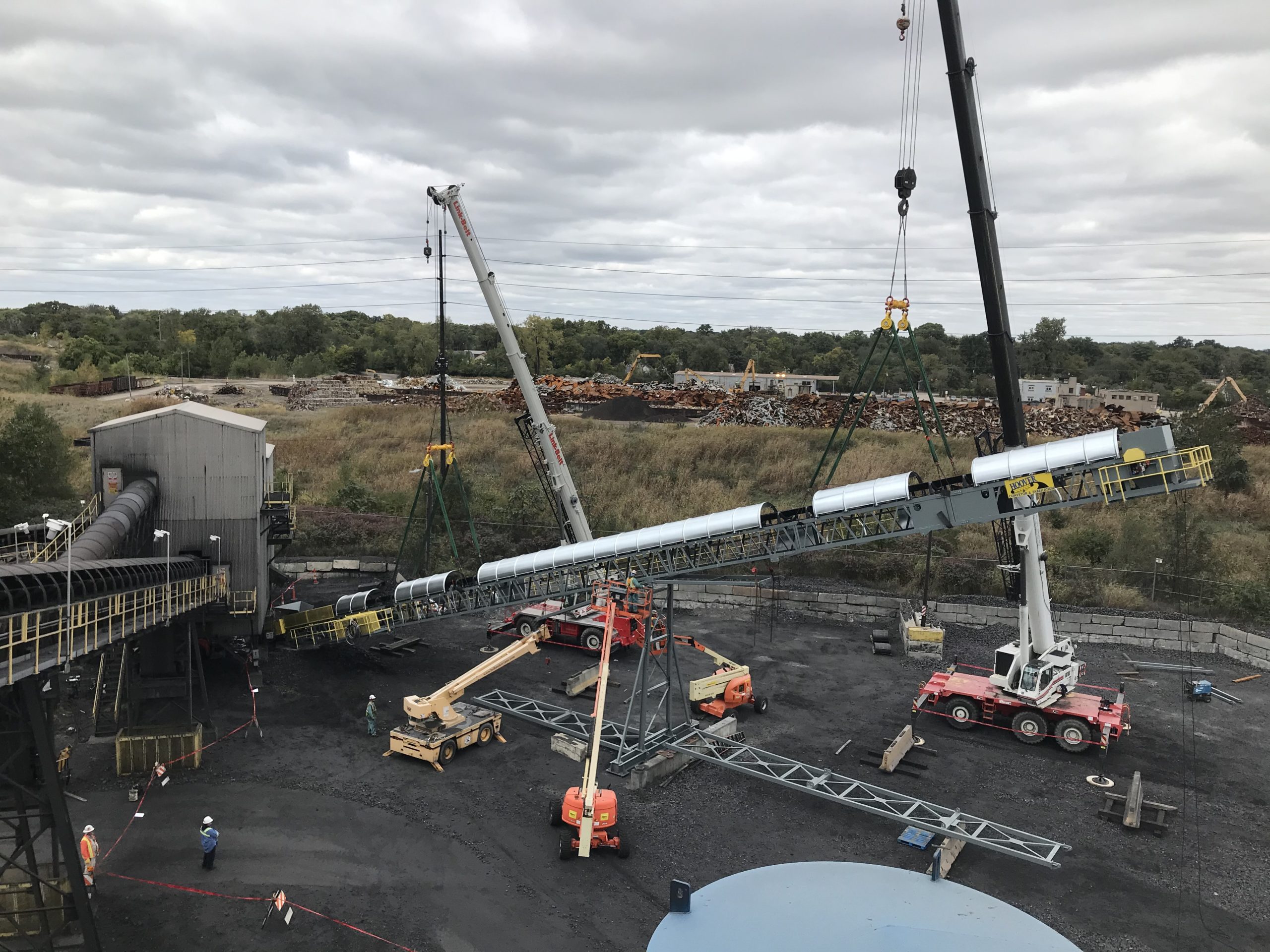
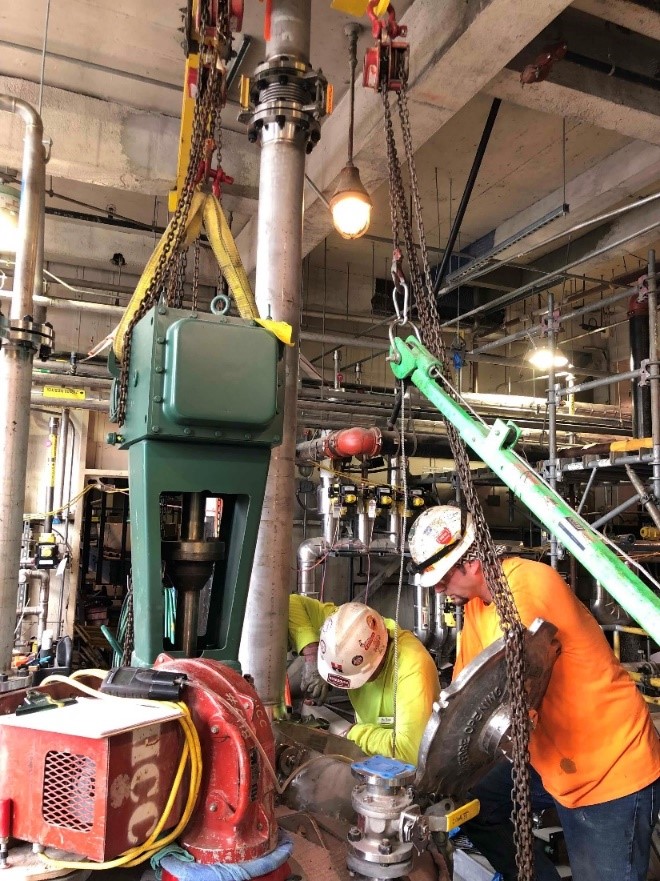
Who We Work With
Our Clients







-
-
What types of industrial facilities are commonly built in Missouri and Illinois?
Industrial construction in Missouri and Illinois commonly supports manufacturing, processing, logistics, utilities, and heavy industrial operations.
- Chemical and petro-chemical facilities
- Food & beverage processing plants
- Manufacturing and metals facilities
- Logistics and distribution centers
- Power generation and utility infrastructure
-
What industrial industries does Helmkamp Construction serve?
Helmkamp Construction serves industrial clients throughout Missouri and Illinois across multiple sectors.
- Chemical
- Food & Beverage
- Industrial Process
- Logistics
- Manufacturing and Metals
- Petro Chemical
- Power and Utilities
-
What services are typically included in industrial construction projects?
Industrial construction projects often involve multiple coordinated scopes depending on facility type and operational requirements.
- Sitework and civil construction
- Foundations and structural steel
- Equipment installation
- Utility upgrades and infrastructure
- Control rooms, laboratories, and support spaces
-
What industrial construction services does Helmkamp self-perform?
Helmkamp self-performs key industrial construction scopes to maintain coordination and accountability.
- Construction management
- Civil work and foundations
- Excavation and hydro excavation
- Millwright services and rotating equipment support
- Laser alignment and precision leveling
- Steel erection
- Equipment installations and material handling equipment
- Utility upgrades
- Construction of control rooms, laboratories, and offices/support facilities
-
Where does Helmkamp provide industrial construction services?
Helmkamp’s primary industrial presence is in Missouri and Illinois, including the greater St. Louis region.
- Missouri and Illinois (core focus)
- Experience serving industrial clients across both states
- Capability to support multi-state projects when required
-
What types of industrial facilities are commonly built in Missouri and Illinois?
-
-
How is industrial construction different from commercial building construction?
Industrial construction focuses on supporting production, processing, and utility systems, often requiring coordination around specialized equipment and operational requirements.
- Integration with manufacturing or processing equipment
- Utility and infrastructure coordination
- Stronger emphasis on safety and operational continuity
- Collaboration with facility operators and engineers
-
Can industrial construction be completed while a facility remains operational?
Yes. Industrial construction can often be phased to allow facilities to remain operational when safety and coordination are carefully managed.
- Defined work zones and access control
- Clear communication with facility leadership
- Sequencing aligned with operational requirements
- Strict adherence to safety protocols
-
How are industrial expansions typically phased to reduce disruption?
Industrial expansions are commonly sequenced to maintain safety and operational continuity.
- Separating active operations from construction zones
- Coordinating utility upgrades in stages
- Aligning schedules with facility needs
- Managing site logistics to reduce interference
-
When should an industrial contractor be involved in project planning?
Involving an industrial contractor early in planning can improve coordination and clarity before construction begins.
- Constructability input
- Budget and scheduling guidance
- Phasing considerations
- Early identification of site and utility constraints
-
What project delivery methods are used for industrial construction projects?
Industrial construction projects may be delivered through multiple methods depending on owner goals and complexity.
- Construction management
- General contracting
- Design-build
- EPC collaboration when appropriate
-
How is industrial construction different from commercial building construction?
-
-
Why is safety critical in industrial construction environments?
Industrial environments often involve heavy equipment, utilities, and active operations, making disciplined safety practices essential.
- Protection of construction teams and facility personnel
- Compliance with site-specific safety requirements
- Reduced risk of operational interruption
- Structured jobsite controls
-
What safety standards does Helmkamp maintain on industrial projects?
Helmkamp maintains exceptional safety standards across Missouri and Illinois industrial job sites.
- Site-specific safety planning
- Routine inspections and documented processes
- Alignment with client safety requirements
- Ongoing training and oversight
-
What does ISNetworld RAVS Plus® recognition indicate about a contractor?
ISNetworld RAVS Plus® recognition reflects verified safety and compliance performance within industrial contractor qualification systems.
- Documented health and safety processes
- Alignment with contractor screening standards
- Commitment to structured safety oversight
-
How does construction management benefit industrial facility owners?
Construction management provides structured coordination and oversight throughout the project lifecycle.
- Single point of accountability
- Schedule visibility
- Coordination across trades
- Clear communication and issue resolution
-
What distinguishes Helmkamp from other industrial contractors in Missouri and Illinois?
Helmkamp combines self-perform capability, disciplined safety practices, and industrial experience to support complex projects.
- Hands-on execution across key industrial scopes
- Structured project coordination
- Strong safety culture
- Long-standing presence in Missouri and Illinois
-
Why is safety critical in industrial construction environments?