

Life Science
PROFESSIONAL
LIFE SCIENCE SOLUTIONS
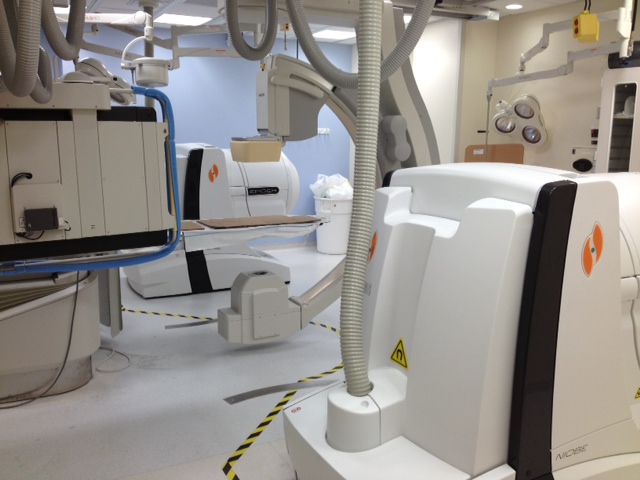
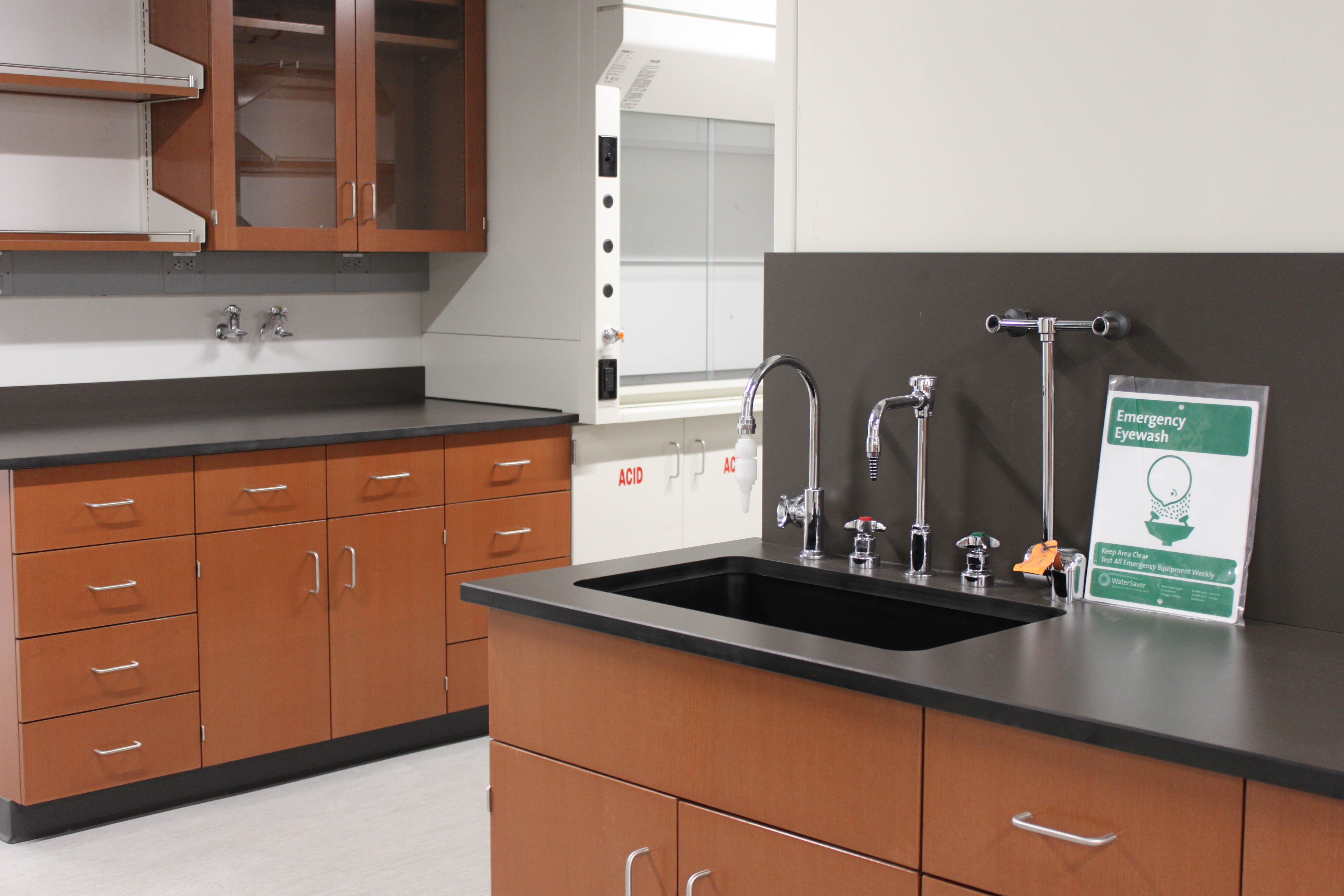
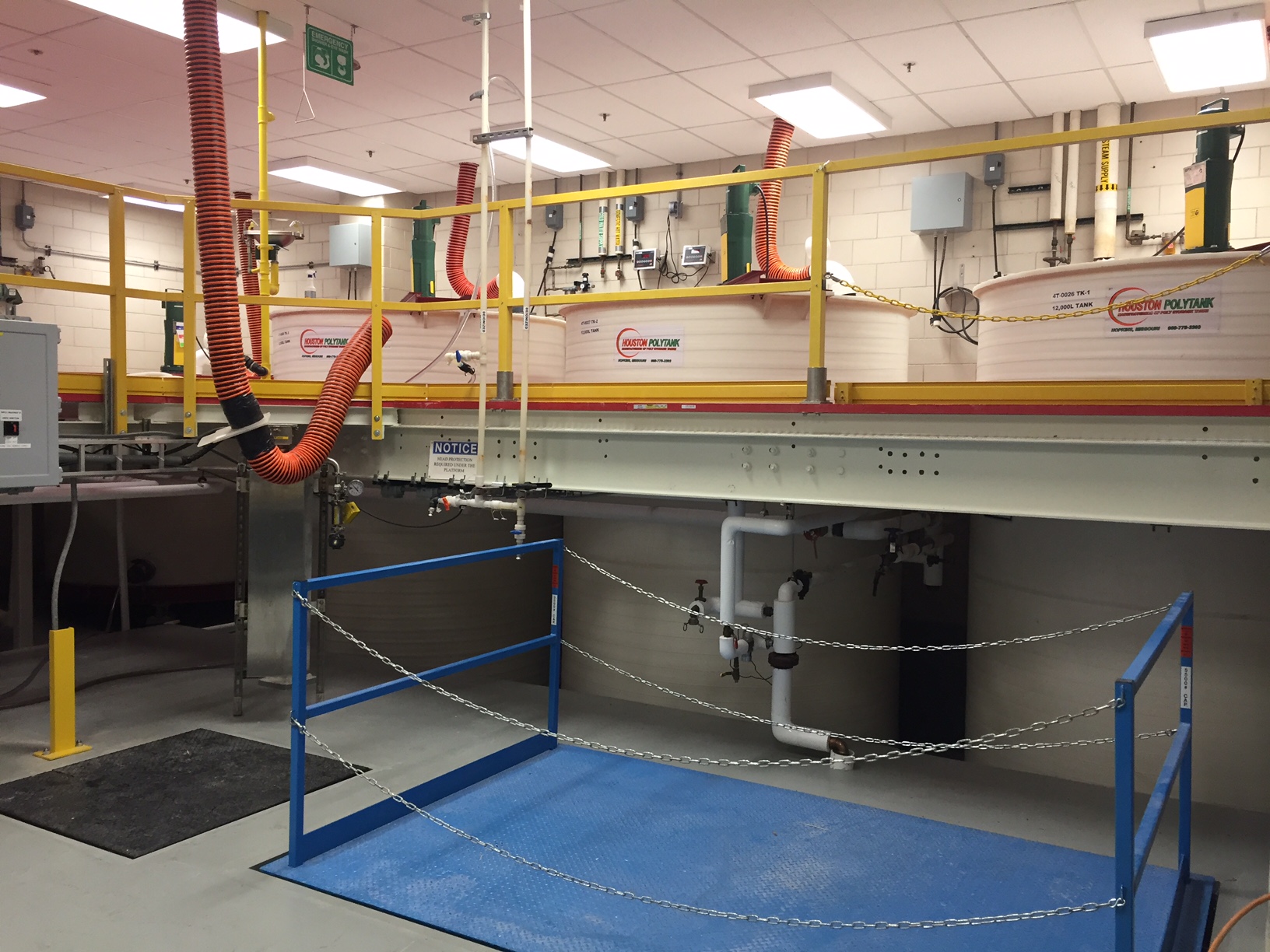
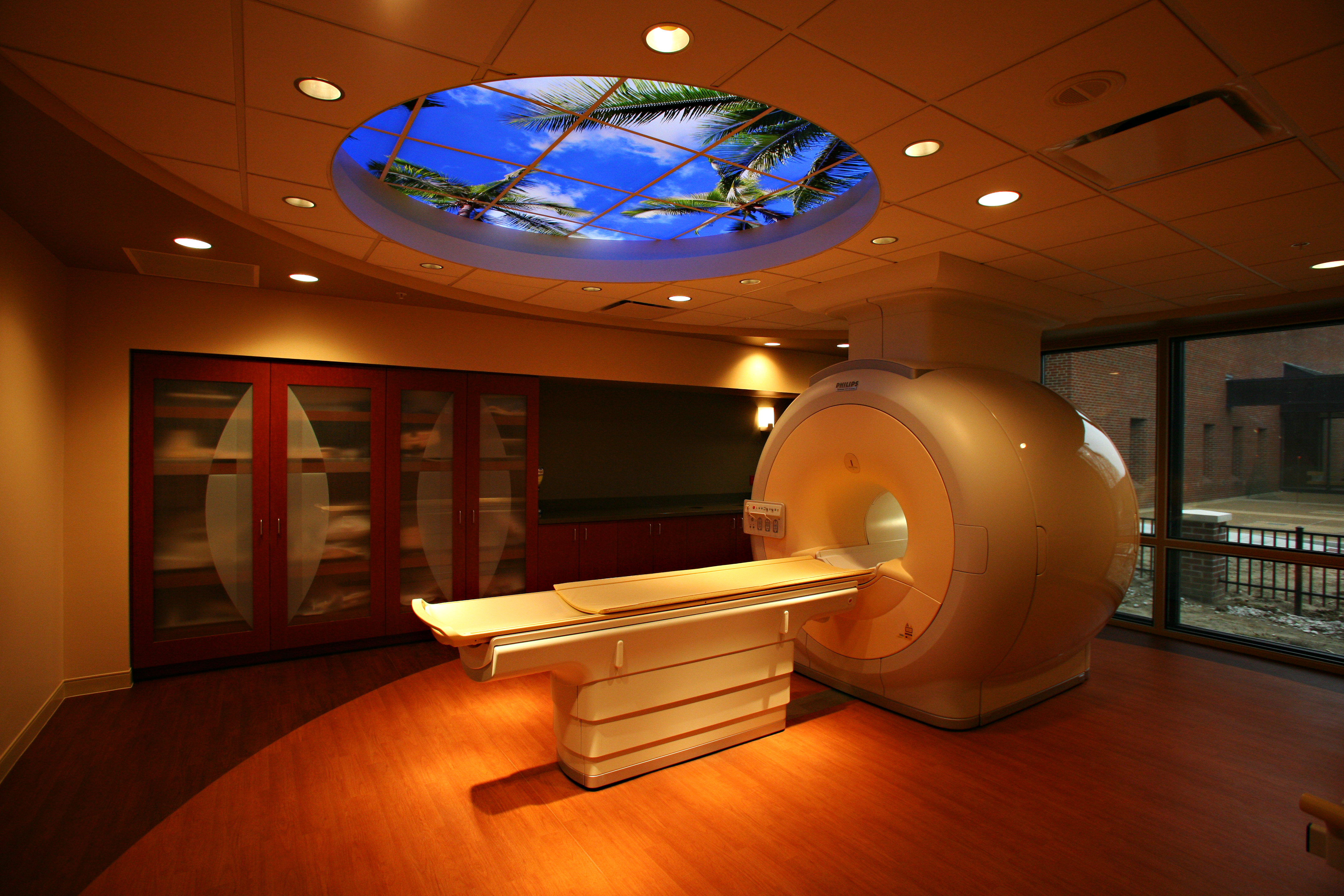
Helmkamp brings specialized construction management experience to what complex life science projects demand. With St. Louis being the fastest growing hub for global agribusiness and agriculture technology companies, you need a contractor like us who understands your needs. Not to mention our extensive work in the lab, pharmaceutical and healthcare arenas.
LIFE SCIENCE INDUSTRIES
WE SERVE
- Agriculture
- Animal Health
- Biomedical
- Healthcare
- Pharmaceutical
OUR LIFE SCIENCE
CONSTRUCTION EXPERT

Jeremy Sneddon

Who We Work With
Our Clients









-
-
What is life science construction?
Life science construction involves building, renovating, or expanding facilities that support healthcare, biomedical research, pharmaceutical work, agriculture, and related scientific environments.
- Healthcare and patient care facilities
- Biomedical and research laboratories
- Pharmaceutical-related environments
- Agriculture and animal health facilities
- Support spaces such as labs, control rooms, and offices
-
What types of life science industries does Helmkamp Construction serve?
Helmkamp Construction supports life science projects throughout Missouri and Illinois across several sectors.
- Agriculture and animal health
- Biomedical facilities
- Healthcare environments
- Pharmaceutical-related projects
-
Does Helmkamp construct laboratories, support facilities, and control rooms?
Yes. Helmkamp supports the construction of laboratories, control rooms, and related support spaces within life science facilities.
- Laboratory build-outs and renovations
- Control rooms and technical support areas
- Offices and operational support facilities
- Coordination with utility upgrades and equipment installation
-
What life science construction services does Helmkamp self-perform?
Helmkamp self-performs key scopes to maintain accountability and coordination on life science projects.
- Civil work and foundations
- Excavation and hydro excavation
- Steel erection
- Equipment installations
- Millwright services and rotating equipment support
- Utility upgrades
-
Where does Helmkamp provide life science construction services?
Helmkamp’s primary life science construction presence is in Missouri and Illinois, including the greater St. Louis region.
- Missouri and Illinois (core focus)
- Healthcare, biomedical, agricultural, and pharmaceutical-related environments
- Experience supporting regional life science facilities
-
What is life science construction?
-
-
How is life science construction different from standard commercial building construction?
Life science construction often requires greater coordination around safety, operational continuity, and specialized building systems.
- Stronger emphasis on infection control in healthcare environments
- Coordination with laboratory and technical equipment
- Alignment with facility-specific operational requirements
- Careful sequencing in occupied or active environments
-
Can life science construction be completed in active healthcare or laboratory environments?
Yes. Many life science projects are carefully phased to allow facilities to remain operational while construction is underway.
- Defined work areas and controlled access
- Coordination with facility leadership and staff
- Clear communication and scheduling
- Strict adherence to safety and infection control requirements
-
How are laboratory renovations and expansions typically phased?
Laboratory renovations are typically sequenced to maintain safety and operational continuity.
- Separating construction from active lab operations
- Coordinating utility and infrastructure upgrades in stages
- Managing access and material movement carefully
- Aligning schedules with research or facility needs
-
When should a contractor be involved in planning a life science project?
Early contractor involvement during planning can improve coordination and clarity before construction begins.
- Constructability input on laboratory and healthcare spaces
- Budget and scheduling guidance
- Utility and infrastructure coordination planning
- Identification of site-specific safety considerations
-
What project delivery methods are used for life science construction projects?
Life science projects often benefit from delivery methods that improve coordination and reduce risk.
- Preconstruction: early budgeting, scheduling, and constructability review
- Construction Management: structured planning and coordination of subcontractors
- Design-Build: aligns design and construction to streamline decision-making
- General Contracting: traditional approach when requirements are well-defined
-
How is life science construction different from standard commercial building construction?
-
-
Why is infection control important in healthcare and laboratory construction?
Infection control is critical in healthcare environments to protect patients, staff, and visitors during construction activities.
- Prevents contamination in patient care areas
- Supports compliance with healthcare facility standards
- Maintains safe separation between construction and active spaces
- Requires disciplined jobsite controls and coordination
-
How does Helmkamp manage safety on life science job sites?
Helmkamp applies structured safety planning and jobsite controls across life science environments in Missouri and Illinois.
- Site-specific safety planning
- Routine inspections and documented procedures
- Alignment with healthcare and facility safety requirements
- Disciplined coordination in occupied environments
-
What types of life science facilities are commonly built in Missouri and Illinois?
Missouri and Illinois support a growing mix of healthcare, research, agricultural science, and biomedical facilities.
- Hospital and healthcare environments
- Research laboratories and support spaces
- Animal health and agricultural science facilities
- Pharmaceutical and biomedical-related environments
- Facility upgrades and life safety code improvements
-
What construction services are typically required for life science facilities?
Life science projects typically involve coordinated construction scopes that support both structural and operational needs.
- Construction management
- Laboratory and support space construction
- Control rooms and equipment installations
- Utility upgrades and infrastructure coordination
-
What distinguishes Helmkamp from other life science contractors in Missouri and Illinois?
Helmkamp combines hands-on construction experience, disciplined safety practices, and regional familiarity to support complex projects.
- Experience in healthcare and laboratory environments
- Ability to coordinate multiple construction scopes
- Strong safety culture and structured jobsite controls
- Long-standing presence in Missouri and Illinois
-
Why is infection control important in healthcare and laboratory construction?